THE SCIENCE of the Thymus
and its central role in preventing autoimmunity
A balanced immune system begins in the thymus.
Located just above the heart, the thymus is the training ground of the immune system where
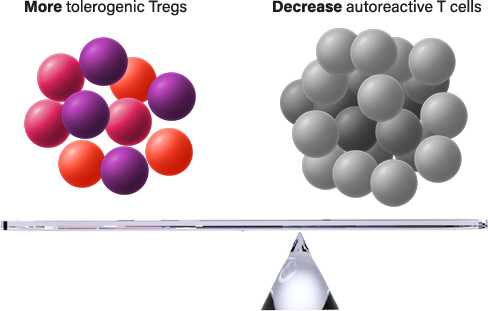
T cells learn to distinguish self from non-self. Within this organ, autoantigens representing nearly all peripheral proteins and tissues are presented to developing thymocytes in a process that leads to the elimination of autoreactive conventional T cells and the generation of tolerogenic regulatory T cells (Tregs). Thymus-derived Tregs home to diseased tissues where they exert anti-inflammatory effects and promote tissue repair.
Harnessing the body’s natural process to restore immune balance
1 Enter
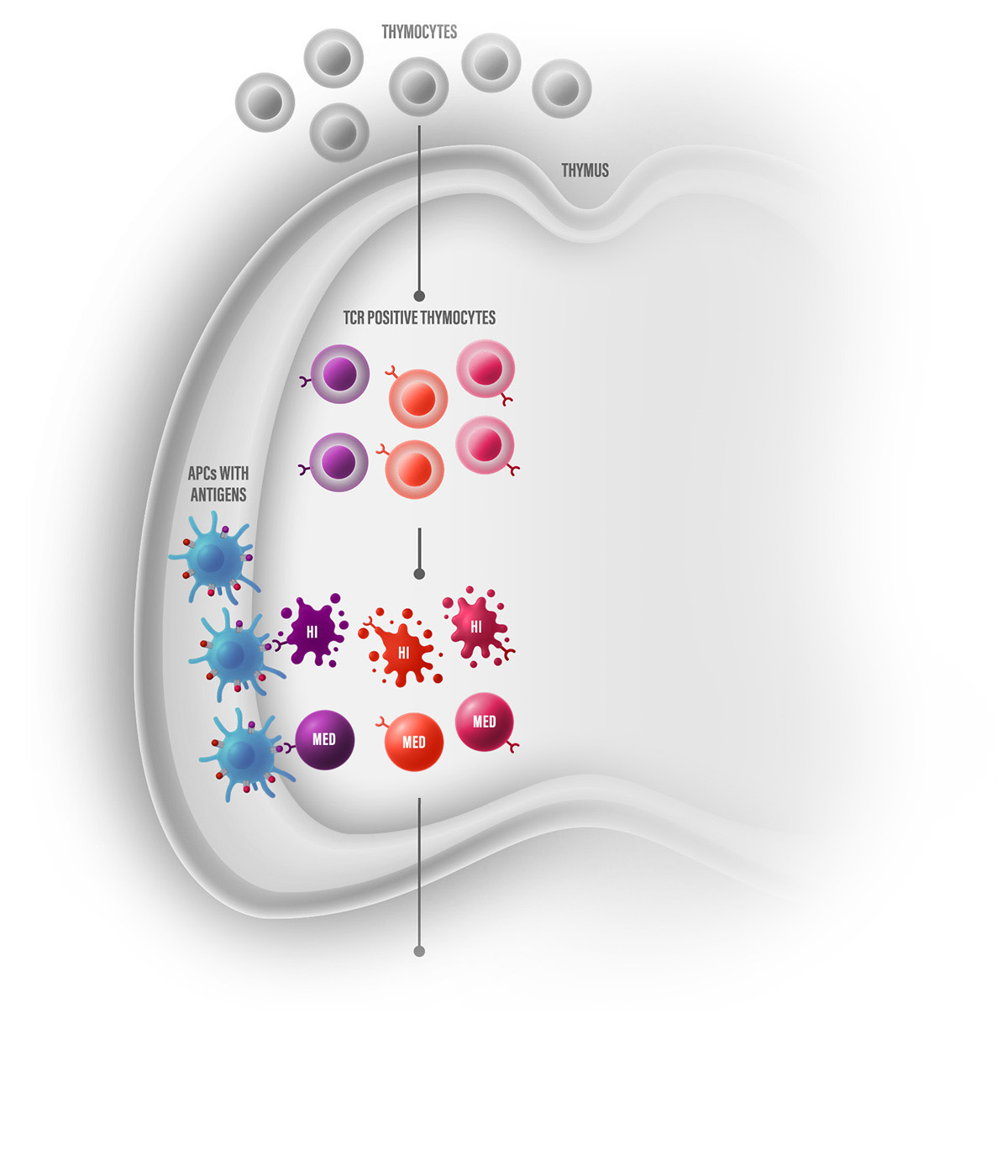
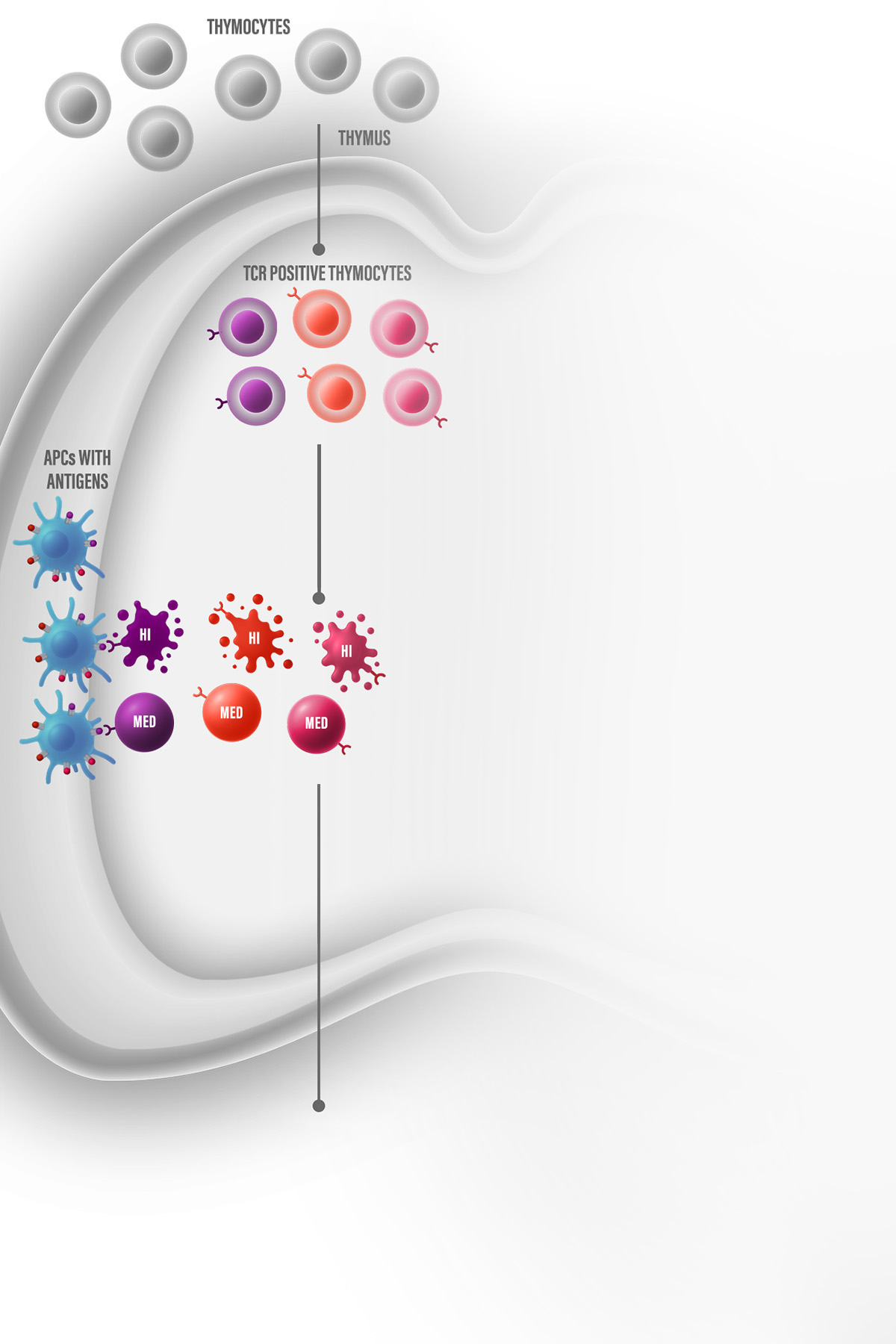
Each immature thymocyte enters the thymus from the bone marrow and undergoes gene rearrangement to generate unique T cell receptors (TCRs), each of which can recognize and bind to any one of a billion different antigens.
2 Teach
Antigen-presenting cells (APCs) display self-antigens that engage TCRs on developing T cells. High-affinity (HI) recognition between a self-antigen and TCR promotes deletion of potentially autoreactive T cells. Medium-affinity (MED) recognition causes developing T cells to become tolerogenic Tregs that recognize and protect the body’s own tissues.
3 Home & Tolerize
Mature thymic Tregs travel to peripheral tissues that express their specific self-antigen. Once there, Tregs exert various mechanisms to promote tolerance and prevent an autoimmune attack.


autoimmune disease state
What goes wrong in autoimmunity
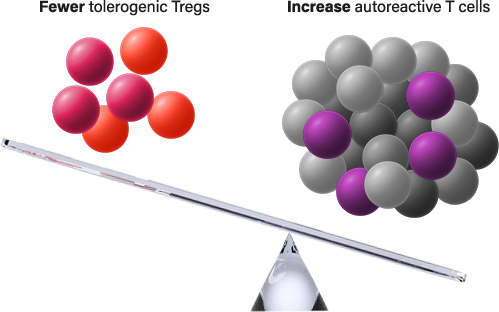
Too few tolerogenic Tregs at the tissue leading to autoimmune response

zag bio solution
Thymus-targeted drugs to restore balance.
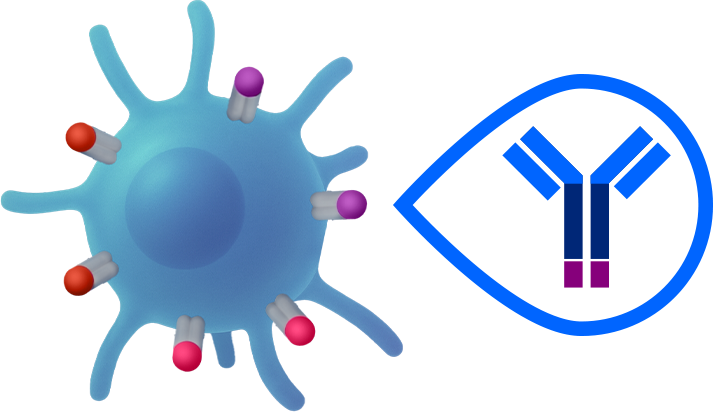
Drug action:
Zag Bio therapy targets peripheral antigen to thymic APCs